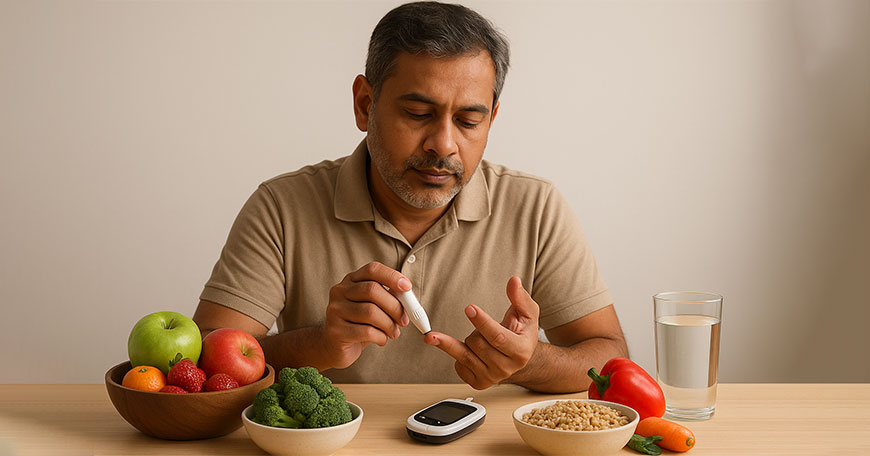
Studies have shown that body weight and diabetes are closely intertwined. Excess body weight especially around the abdomen may impair body’s sensitivity to use insulin effectively, which may lead to insulin resistance and affect blood sugar levels¹. On the other hand, poorly managed diabetes can sometimes cause unwanted weight changes due to an imbalanced glucose metabolism. Striking the right balance between managing diabetes and healthy weight control is not just only about calorie counting, it is also about understanding how nutrition, metabolism, and lifestyle work together.
Let’s understand the foundation – balanced diet and physical activity
Maintaining a balance of good nutrition and regular physical activity is an essential component of Diabetes care. Evidence suggest that even a moderate weight loss of 5% may have significant health benefits including improving insulin action, blood sugar levels etc 2. Regular physical activity like brisk walking, yoga, or strength training can support the body’s ability to use glucose efficiently.
But diet plays an equally important role. Diabetics often need to manage hunger pangs, avoid blood sugar fluctuations, and maintain energy all without missing essential nutrients intake. Studies suggest that choosing foods having low glycemic index (GI) may help maintain blood sugar levels 3.3. Low-GI foods like whole grains, legumes, and certain fruits that release glucose slowly, may help preventing sudden glucose spikes and crashes.4
Equally important is protein. High-quality protein helps preserve muscle mass while promoting satiety, keeping hunger at bay for longer time. Research shows that protein-enriched meals improve post-meal sugar response and help reduce overall calorie intake by providing satiety5,6. For Individuals with diabetes, healthcare professionals may sometimes recommend to add nutritional supplements with high protein to daily diets, these can provide additional protein to support the daily protein needs.
Dietary fiber also plays a major role in promoting good health.
High-fiber containing meals slow down digestion and glucose absorption, helping maintainence of blood sugar and promote fullness6.
Smart snacking is another crucial habit. We could consider choosing protein-rich or fiber-rich options, or even light nutrition supplements, in place of fried or sugary foods. These may help support daily nutritional needs and could also make it easier to keep overall calories in check.We can opt for protein-rich, fiber rich options or nutrition supplements instead of fried or sugary options.. These not only support your daily nutritional rrequirements but can also help you keep your daily calories in check.. For diabetics it is important to consider nutrition supplements or food options that can help in balancing nutrition and calories.
How nutritional drinks help?
For many diabetics, maintaining a balanced diet through regular meals can be challenging due to busy schedules, skipped meals, or lack of time for meal preparation. In such situation, nutritional drinks may serve as a practical solution to help bridge dietary gaps.
Supplements with adequate amount of nutrients including protein, fiber, and essential micronutrients, may help support the diabetics to manage the balanced nutrition. When consumed as part of balanced diet or under guidance of healthcare professional they may , help regulate calorie intake while still meeting daily nutritional needs.
Supplements having low GI and with proteins can be used in-between snack to manage hunger and reduce overeating. Unlike crash diets or meal skipping, these options ensure that nutrition is not compromised during weight control..
Thus, managing weight with diabetes doesn’t have to mean giving up on food. By focusing on low-GI foods, adequate protein and fiber, regular activity, and smarter meal choices, individuals can achieve lasting improvements and manage diabetes.
Ref:
https://my.clevelandclinic.org/health/diseases/22206-insulin-resistance
https://www.sciencedirect.com/science/article/pii/S0002916522035109
https://www.healthline.com/nutrition/low-glycemic-diet
https://continentalhospitals.com/blog/boost-health-with-low-gi-foods-a-balanced-approach/
https://www.frontiersin.org/journals/nutrition/articles/10.3389/fnut.2024.1395745/full
https://onlinelibrary.wiley.com/doi/10.1038/oby.2007.531
https://www.cdc.gov/diabetes/healthy-eating/fiber-helps-diabetes.html
Disclaimer:
“This blog is solely for the education/informational/awareness purpose and is not a substitute for any professional medical advice, diagnosis or treatment. Please consult your doctor or healthcare professional before action on the information provided on the blog. Reliance on any or all information provided in the blog, is solely at your own discretion and responsibility. Torrent Pharmaceutical Ltd shall not be held liable, in any circumstances whatsoever. “