

6 Minute Read
Weight gain and diabetes – the hidden loop
Maintaining a balance of good nutrition and regular physical activity is an essential component of Diabetes care
Read More

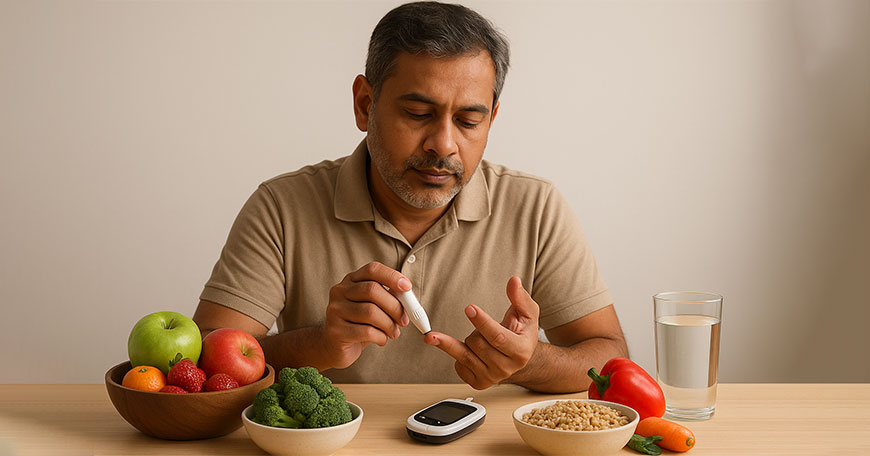
Diabetes has become a pressing health concern of modern times. In India alone, more than 100 million people are living with diabetes, while an additional 136 million could be living with pre-diabetes1. This growing trend highlights the urgent need for better awareness around diabetes care, its causes, and the steps individuals can take toward effective diabetes management.
At its core, diabetes is a condition in which the body either doesn’t produce enough insulin or doesn’t use it effectively. Insulin is a hormone that helps glucose from food enter your cells to be used as energy. Without proper insulin activity, glucose remains in the bloodstream, leading to elevated blood sugar levels2.
It is also wise to understand, what is pre-diabetic stage? For most people the concern lies in the early stage: pre-diabetes. This is a situation where blood sugar is higher than normal but not high enough to be considered diabetes. It often goes unnoticed, making awareness and proactive lifestyle changes critical.
Diabetes doesn’t happen overnight. Multiple factors contribute to its onset:
The effective way to manage diabetes is through combination of medications, improved nutrition intake, and physical exercise along with lifestyle modifications.
1. Balanced Nutrition
A diet rich in high quality protein, fiber, healthy fats, and low-glycemic carbohydrates plays a central role in glycemic control5. Replacing refined carbs with whole grains, legumes, and lean protein can help support steady sugar levels. For those needing extra support, protein supplements for diabetes, especially gluten free protein supplements or lactose free protein supplements, can help meet daily requirements while keeping meals balanced.
2. Exercise for Better Insulin Sensitivity
Regular physical activity enhances the body’s ability to use insulin efficiently. Simple activities like walking, cycling, or yoga daily can lower blood glucose levels and support weight management6.
3. Busting the Myths
4. Role of Supplements
Many individuals with diabetes may struggle to meet their nutritional needs through diet alone due to dietary restrictions. In such cases, nutrition supplements like sugar free protein supplements, blood sugar management supplements, or high fibre protein supplements can provide added support. These formulations also contribute to gut health management, immunity, and overall wellness. Certain blends also function as energy boosters for diabetics, helping reduce fatigue.
Diabetes may be a lifelong condition, but with the right changes that you make in your daily routine and dietary needs, it keeps you on track.
Ref:
https://my.clevelandclinic.org/health/diseases/22206-insulin-resistance
https://www.sciencedirect.com/science/article/pii/S0002916522035109
https://www.healthline.com/nutrition/low-glycemic-diet
https://continentalhospitals.com/blog/boost-health-with-low-gi-foods-a-balanced-approach/
https://www.frontiersin.org/journals/nutrition/articles/10.3389/fnut.2024.1395745/full
https://onlinelibrary.wiley.com/doi/10.1038/oby.2007.531
https://www.cdc.gov/diabetes/healthy-eating/fiber-helps-diabetes.html
Disclaimer:
“This blog is solely for the education/informational/awareness purpose and is not a substitute for any professional medical advice, diagnosis or treatment. Please consult your doctor or healthcare professional before action on the information provided on the blog. Reliance on any or all information provided in the blog, is solely at your own discretion and responsibility. Torrent Pharmaceutical Ltd shall not be held liable, in any circumstances whatsoever. “

Maintaining a balance of good nutrition and regular physical activity is an essential component of Diabetes care
Read More